


Tinkerbirds & Mousebirds
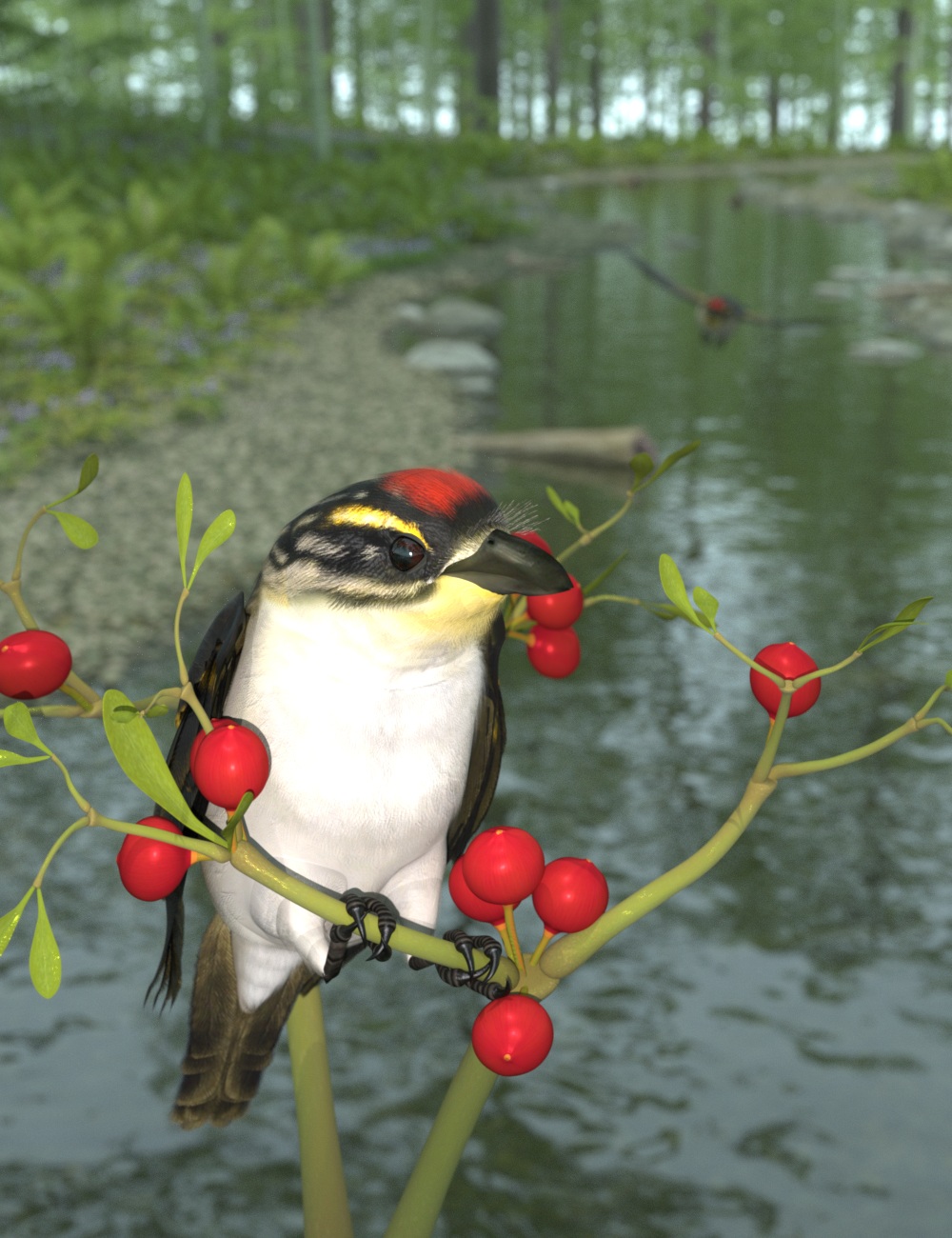
Tinkerbirds and Mousebirds includes two different families of endemic African birds. Tinkerbirds or tinker barbets are the genus Pogoniulus of the Lybiidae, the African barbet family of near passerines. They are named for their repetitive, metallic call that sounds remarkably like a small hammer tapping rhythmically on metal. Tinkerbirds are widely distributed in tropical Africa.
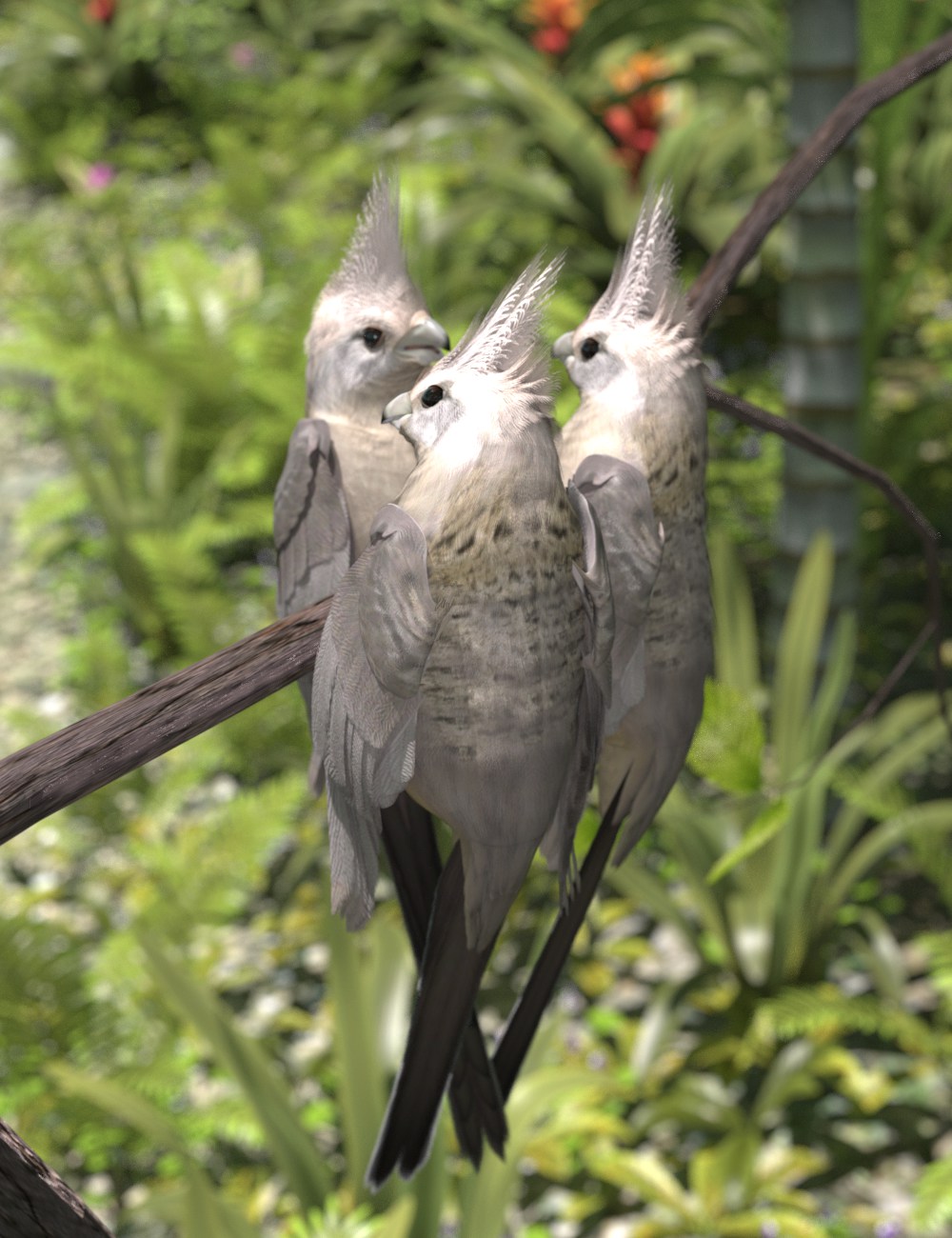
Mousebirds are birds in the order Coliiformes. They are named for their soft, fur-like plumage and their unique habit of scurrying and creeping through dense bushes and leaves in search of food, which mimics the behavior and appearance of a mouse. They are the sister group to the trogons, hornbills, woodpeckers, barbets and more. They are now confined to sub-Saharan Africa, but once had a wider range that once included all of Africa, some of Europe and even parts of North America. Mousebirds also have pamprodactyl feet, which means that the number two and three toes face forward, while the one and four toes can be held forward or backwards. This arrangement allows mousebirds to hang upside down to feed on fruit. They can also use their feet to hold food while eating.
Songbird ReMix Tinkerbirds & Mousebirds include all known species, from the flashy Southern Red-fronted Tinkerbird to the dramatic White-headed Mousebird. As with all Songbird ReMix birds, the models come with a huge host of morphs that allow the bird to go from a perched position to full flight and mimic all of their natural behaviors.
There are two versions of this set for native support in Poser and DAZ Studio. Materials have been tuned to support Iray, Superfly and Firefly renderers. This set should be available at Renerosity by the end of July.
Real Birds: America’s Birds Are Declining, The Farm Bill Can Help Turn the Tide
by Marshall Johnson (audubon.org)
As the U.S. House Committee on Agriculture advances the Farm, Food, and National Security Act of 2026 (Farm Bill), it is worth remembering that the legislation represents the nation’s largest investment in voluntary conservation on private lands. That makes it a crucial tool for addressing habitat loss and helping birds recover.
But many conservation incentive programs for farmers, ranchers, and foresters are still not strong enough to meet growing demand.
A modernized Farm Bill can address this head on, by improving existing programs, formalizing others, and reducing barriers for working landowners.
Achieving Conservation Success in the Grasslands
Restoring our nation’s grasslands (and by extension bird habitat) while incentivizing good grazing and pasture practices is a top priority for Audubon. While the current House Farm Bill includes helpful tools for farmers and ranchers, it presents an opportunity to build on this foundation and do even more.
One opportunity is through modernizing the Soil Health and Income Protection Program (SHIPP), by offering short-term, flexible contracts to help producers convert marginal cropland into high-value forage and wildlife habitat while reducing financial risk. Modeled on North Dakota’s successful Conservation Forage Program, which has been replicated in South Dakota and now covers 30,000 enrolled acres and 160 farmers and ranchers, an updated SHIPP can scale getting productive pasture on the landscape while simultaneously improving soil health, protecting water quality, and creating critical habitat for grassland birds.
Strengthening the Conservation Reserve Program (CRP) is also important to yield increased forage and meet the needs of land managers. Updating rental rates, increasing payment caps, and supporting sustainable grazing models will incentivize enrollment while maintaining working lands benefits.
Solidifying Investments in Forest Resilience
Foresters need stronger support to invest in practices that balance forest health, community safety, and conservation while maintaining productive and profitable forests.
The House Farm Bill includes the Forest Conservation Easement Program (FCEP), which helps conserve working forests and prevent fragmentation. Including another important program—the Forest Landowner Support Program (FLSP)—would further strengthen the House version. FLSP provides assistance to private forest owners, helping sustain management practices that benefit species dependent on healthy forest structure and regeneration.
Advancing these forest provisions in a final Farm Bill will help ensure forests—and the communities and birds that depend on them—continue to thrive for generations to come.
Removing Barriers to Support Voluntary Conservation
Farm Bill conservation programs are voluntary, incentive-based, and locally delivered. Participation often depends not on interest, but on whether programs are practical and accessible. That means reducing unnecessary paperwork, providing on-the-ground technical assistance, and aligning program timelines with real farming and forestry cycles.
It also means investing in the local delivery system. Experienced technical expertise from USDA agencies, including the Natural Resources Conservation Service (NRCS), Soil Conservation Districts, along with partnerships on the ground, is essential to helping landowners design and implement effective projects. Adequate staffing capacity ensures applications are processed efficiently, conservation plans are science-based, and producers receive the hands-on support required to put practices in place successfully. The House Farm Bill strengthens on-the-ground technical assistance – including with the inclusion of the Increased TSP Access Act – creating a foundation to expand this support as the process continues.
Looking Ahead
The Farm Bill presents an opportunity to strengthen conservation on farms, ranches, and forests. By securing strong investments in working-lands conservation, modernizing key programs, and supporting science-based forest management, Congress can deliver outcomes that benefit birds, producers, and communities alike. As it continues through the House and its provisions are considered in the U.S. Senate, Audubon will continue to work with Congressional offices to support a Farm Bill that supports birds, agriculture, local communities, and our national economy.


